

The Business of Fun: How Africa’s Entertainment Industry Is Creating Jobs, Tourism and Investment

When thousands of people attend a concert, festival, conference or major sporting event, the performer or organiser is not the only person earning money.
Hotels fill their rooms. Restaurants extend their opening hours. Drivers complete more trips. Fashion designers receive new orders. Food vendors serve larger crowds. Security companies deploy personnel. Photographers capture the experience, while content creators produce videos that continue circulating online long after the final performance.
What looks like one night of entertainment is actually an economic chain.
At Landmark Africa, this connection between entertainment, hospitality, tourism, business and leisure can be seen in the way people experience a destination. A visitor may arrive for an event, stay at a hotel, eat at a restaurant, visit an attraction, shop, attend a business meeting or return later with family and friends.
This is why entertainment should not be viewed only as an activity people enjoy in their free time. When supported by the right destinations, infrastructure and commercial systems, it becomes an important driver of employment, tourism, investment and urban development.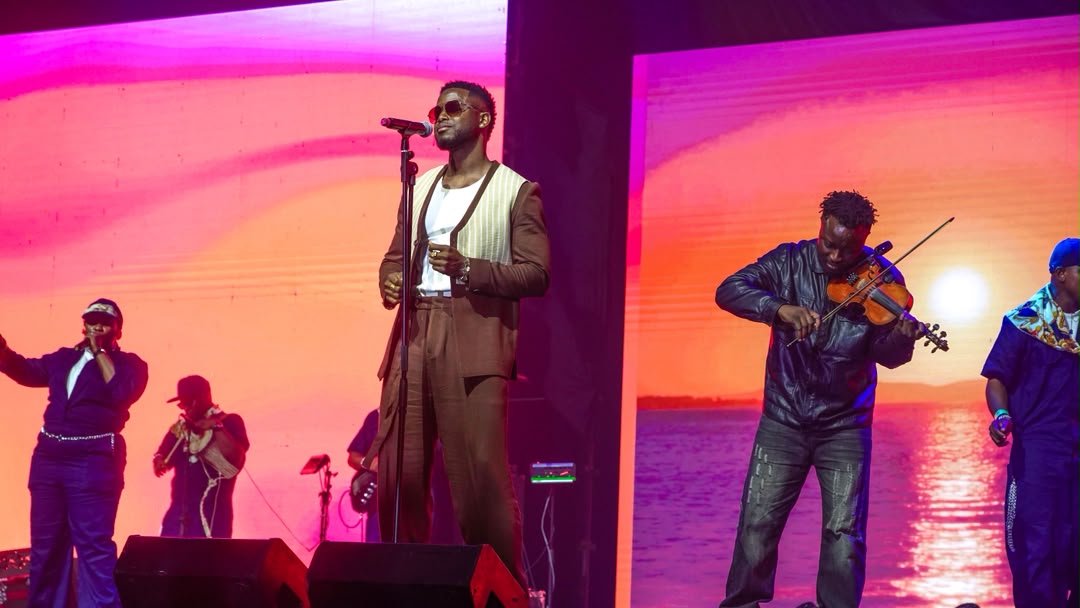
Africa has always known how to create music, fashion, film, celebration and culture. What the continent has not always done successfully is build the infrastructure and connected experiences required to capture their full economic value.
That is beginning to change.
Across the continent, entertainment is moving from the margins of the economy towards the centre. Music, live events, gaming, film, sports, hospitality, nightlife, digital content and leisure destinations are becoming connected parts of a rapidly evolving industry.
The entertainment industry in Africa is no longer simply about helping people have fun. It is creating employment, attracting investment, supporting tourism and influencing how African cities are viewed around the world.
Why Experience-Led Destinations Matter
Entertainment needs places where it can happen.
Artists need stages. Event organisers need suitable venues. Families need attractions. Restaurants and retailers need customer traffic. Visitors need accommodation, transportation and other activities that can extend their stay.
The strongest destinations do not treat these experiences as separate activities. They connect them.
At Landmark Africa, this experience-led approach is reflected in the combination of business, hospitality, events, dining, recreation and entertainment within one destination ecosystem.
A person may attend a conference and remain for dinner. A hotel guest may discover an event or attraction. A family visiting a leisure destination may also visit a restaurant or retailer. An event attendee may return later for a holiday, business meeting or completely different experience.

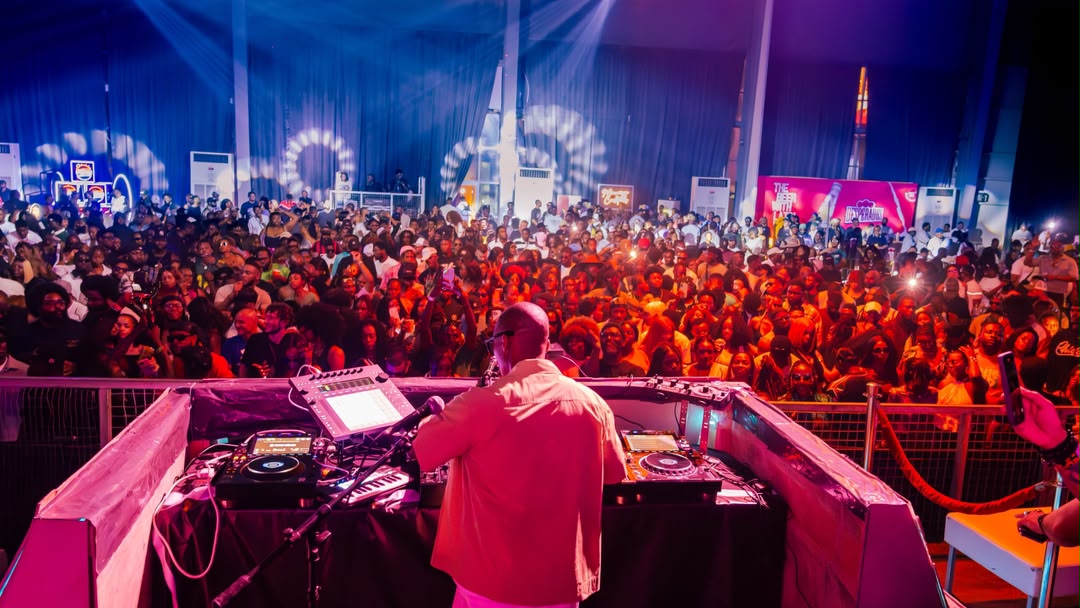
Each activity introduces the visitor to another part of the destination.
This creates value beyond the revenue generated by one event or attraction. It supports restaurants, retailers, hotels, event professionals, transportation providers, security teams, content creators and many other businesses operating within the surrounding economy.
For event organisers and entertainment businesses, connected destinations also provide access to the infrastructure audiences increasingly expect: suitable venues, food and beverage options, accommodation, parking, security, accessibility, technology and additional activities.
The objective is not merely to attract a large crowd once.
It is to create enough variety, quality and convenience for visitors to stay longer, spend across several businesses and have a reason to return.
This is an important part of Landmark Africa’s broader vision: creating destinations where people can work, meet, stay, dine, play and experience more within one connected environment.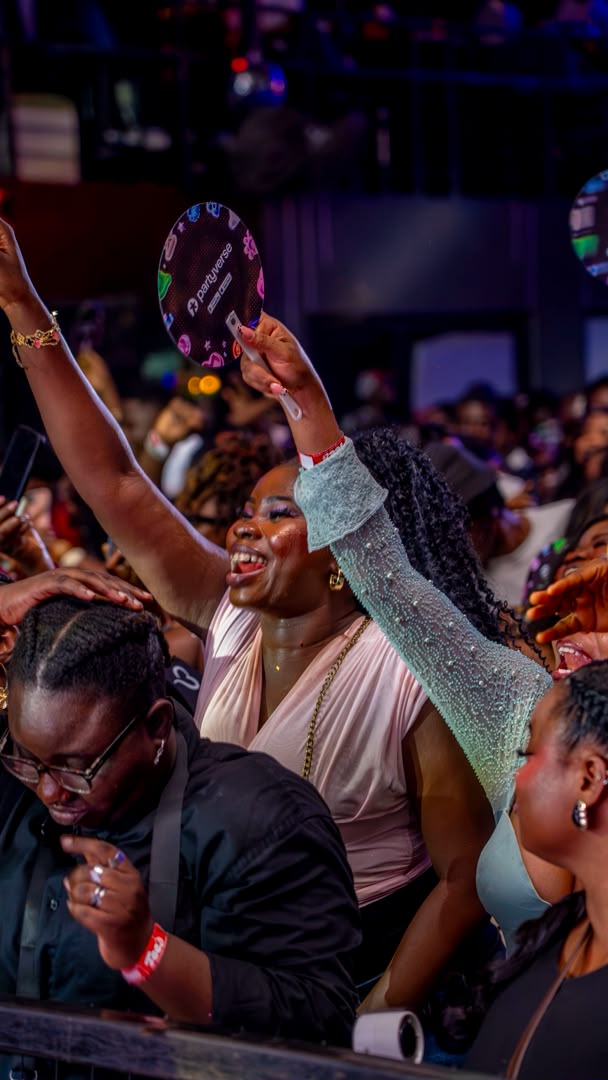
Building the Infrastructure Behind Africa’s Creativity
Africa does not have a shortage of talent or ideas.
It has musicians the world wants to hear, films people want to watch, stories people want to share and experiences people want to attend.
The larger opportunity lies in building the systems and destinations that allow this creativity to generate more sustainable economic value.
That means investing in venues, hospitality, production facilities, transportation, digital payment systems, professional training, safety, ticketing, reliable infrastructure and experience-led destinations.
At Landmark Africa, we believe that places designed around multiple experiences can play an important role in this development. By connecting entertainment with hospitality, business, dining, retail, recreation and tourism, destinations can create opportunities for more businesses and professionals to participate in the entertainment economy.
Entertainment may look like fun from the outside.
Behind the music, crowds, lights and cameras, however, is an industry capable of creating jobs, supporting businesses, attracting investment and changing how Africa is experienced by both Africans and the rest of the world.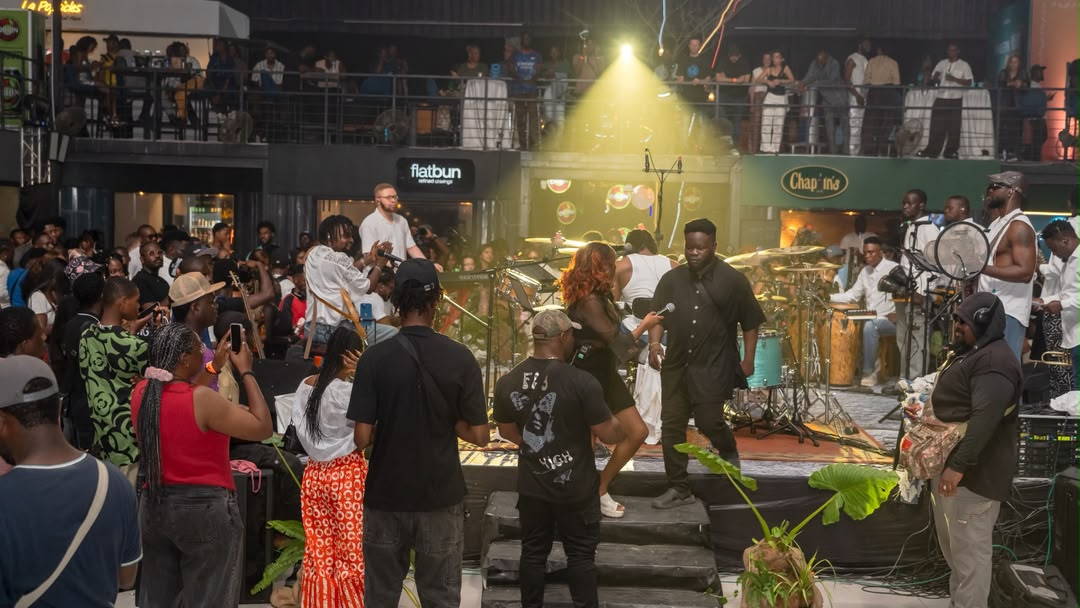
The business of fun is becoming serious business.
Landmark Africa is committed to helping create the destinations, infrastructure and experiences that will support its continued growth.
Discover more about Landmark Africa’s destinations, venues and experiences, and see how we are creating spaces where business, leisure and entertainment come together.
Comments
There are no comments yet.